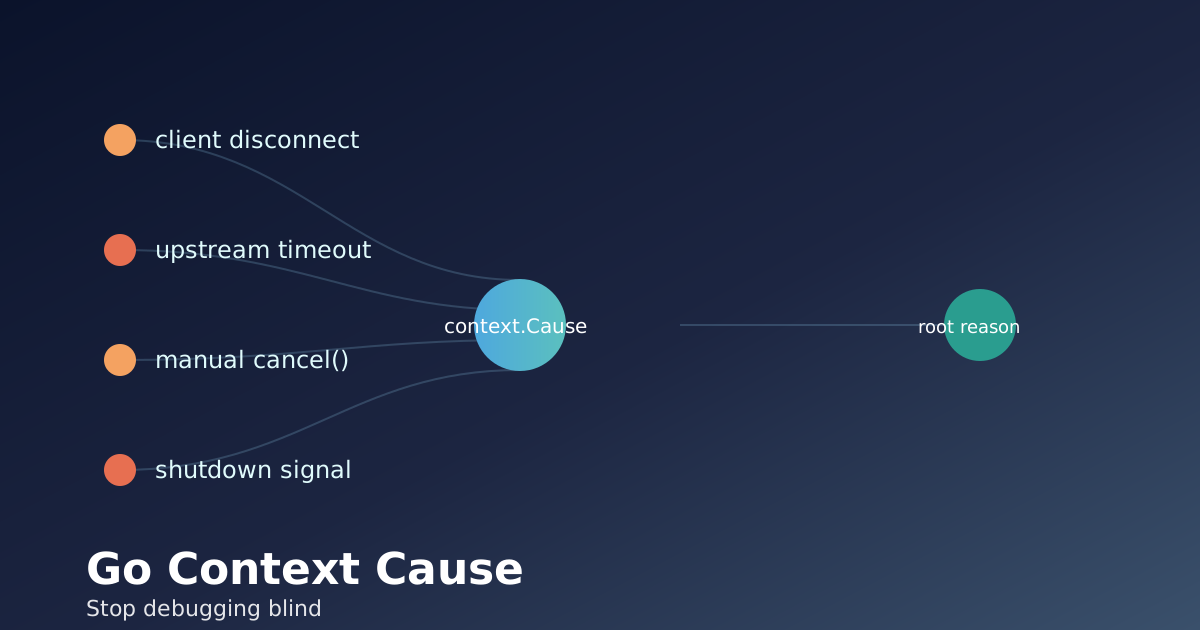
Go Context Cause: Stop Debugging Blind context canceled Errors
Go 1.20 introduced context.WithCancelCause and context.Cause, transforming cancellation from a generic signal into a traceable failure event.
#Software Engineering 1 min read
A chronological collection of insights on technical specification, product strategy, and AI-driven documentation.
Go 1.20 introduced context.WithCancelCause and context.Cause, transforming cancellation from a generic signal into a traceable failure event.
OpenAI’s GPT-5.4 unifies its frontier models into a single family with three variants—standard, Thinking, and Pro—adding native autonomous computer-use, a 1M-token context window, and significant accuracy and safety improvements for professional and enterprise deployments.
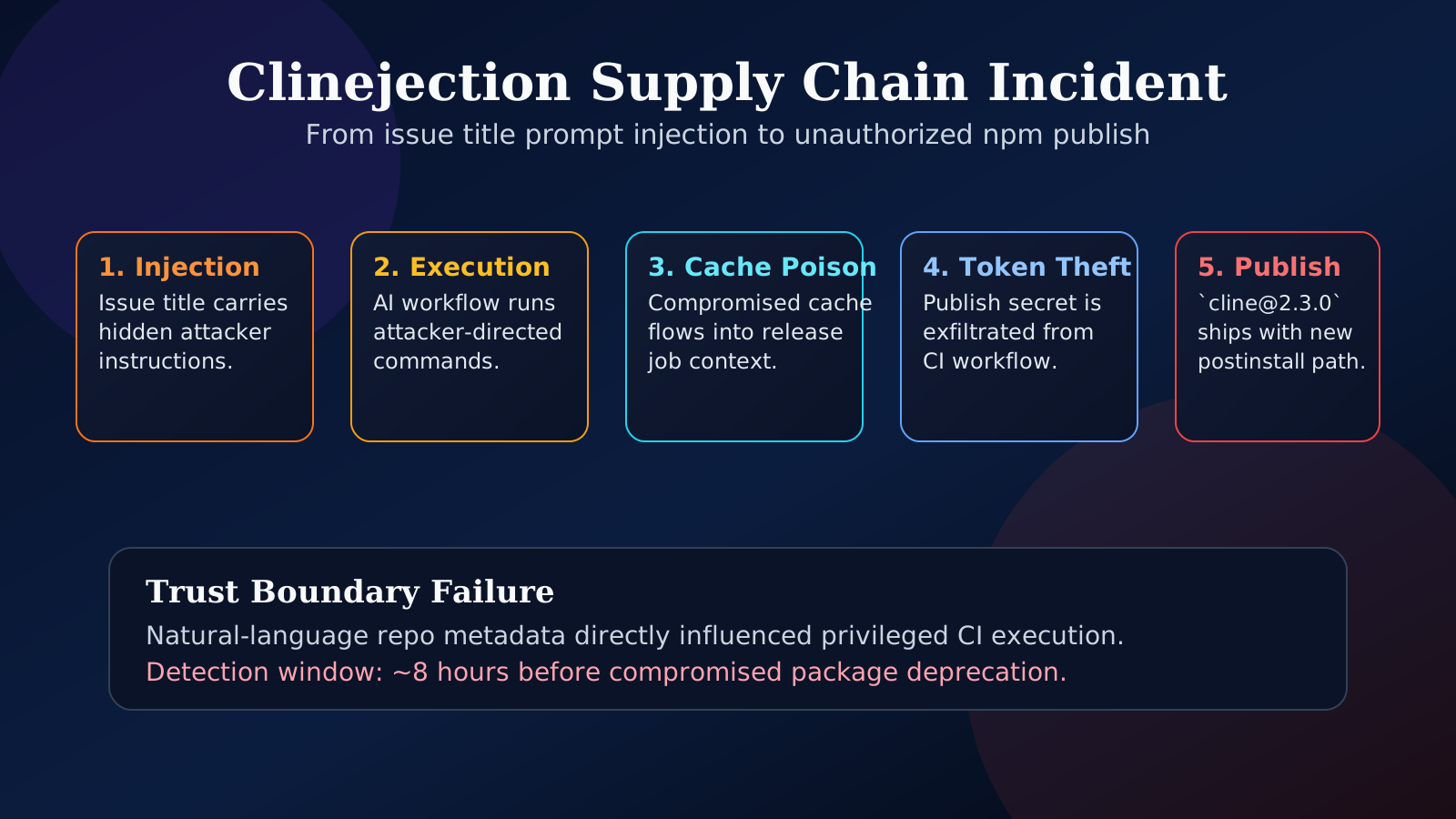
On February 17, 2026, Cline 2.3.0 was compromised via an AI-driven CI/CD attack chain that began with prompt injection in a GitHub issue title and ended with a malicious npm release that silently installed an unauthorized AI-capable tool.
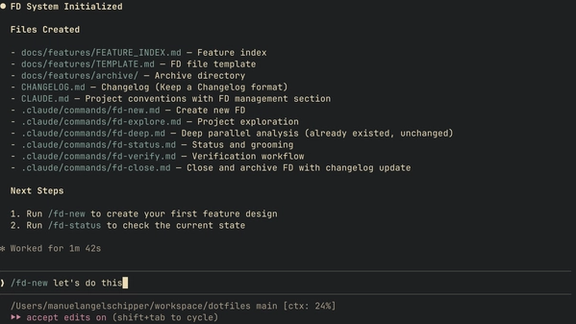
A practical operating model for running multiple coding agents in parallel using tmux and Markdown Feature Designs as the coordination backbone.
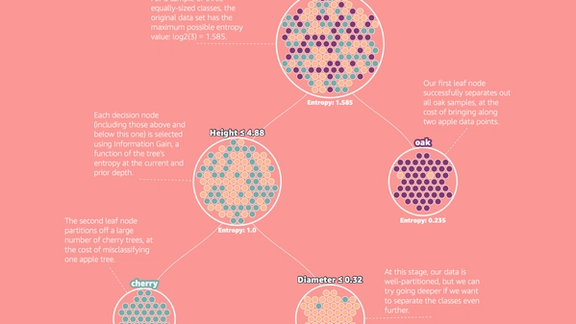
Decision trees, built from simple nested if/else rules, remain a powerful and interpretable tool for modeling complex patterns—especially on structured tabular data and in regulated domains—even as large language models dominate the spotlight.
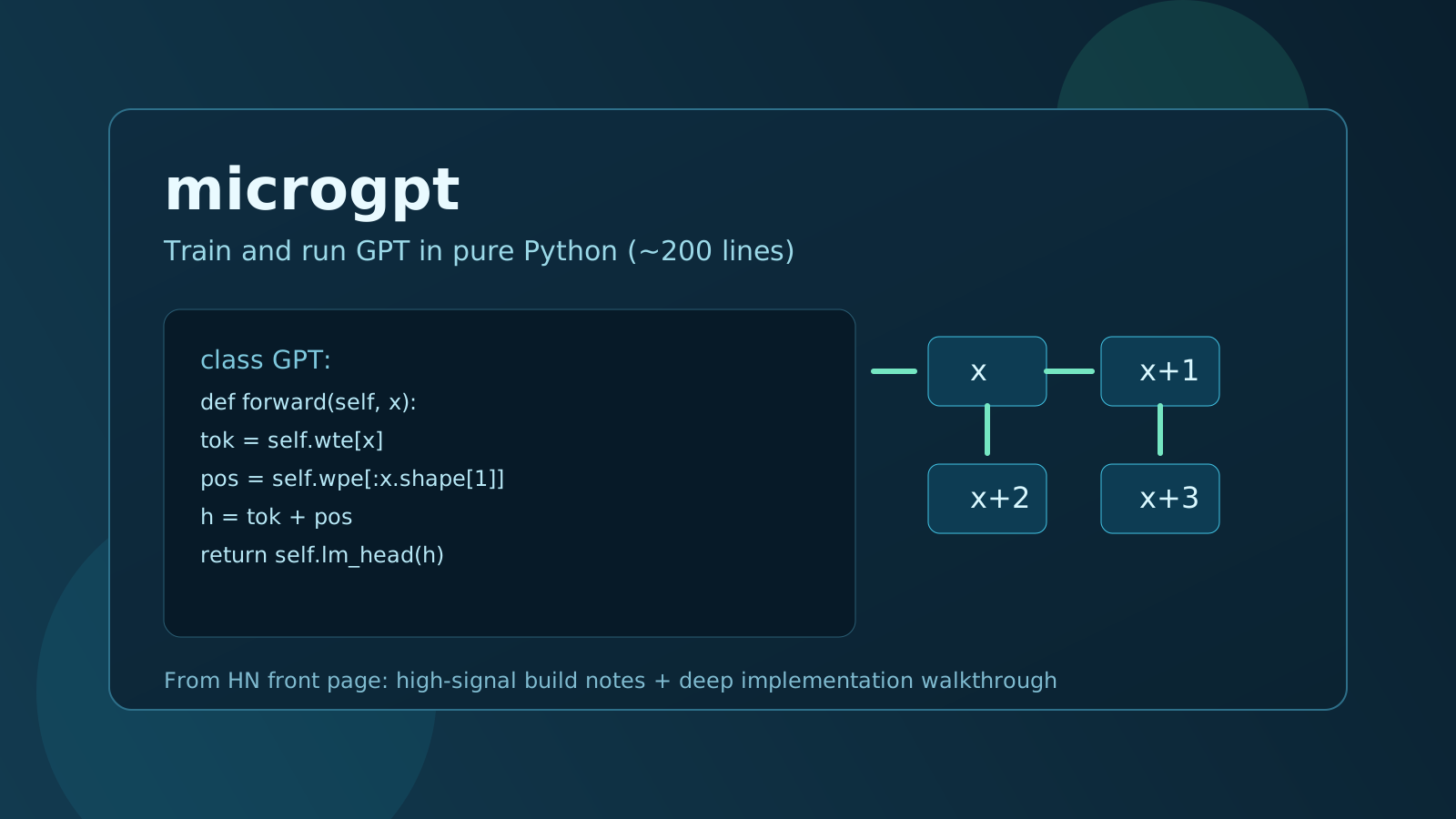
Microgpt is a ~200-line pure Python implementation of a GPT-style language model by Andrej Karpathy. It compresses the complexity of transformers into an executable, dependency-free script that helps engineers understand tokenization, attention, training loops, and inference while improving debugging, evaluation, and architecture decisions.
Google DeepMind’s Gemini 3.1 Pro dramatically advances reasoning, coding, and multimodal capabilities, achieving 77.1% on ARC-AGI-2 and supporting 1M-token contexts for complex, agentic workflows.
Claude Sonnet 4.6 is Anthropic’s default, production-ready model for everyday engineering work, combining strong coding performance, improved instruction following, extended reasoning, and a 200k token context at practical prices.
OpenAI’s GPT-5.3-Codex-Spark is a speed-optimized coding model co-developed with Cerebras, delivering over 1,000 tokens per second and a 128k context window for rapid, interactive software development.
Anthropic’s Claude Opus 4.6 introduces a 1M-token context window, adaptive reasoning, and configurable effort levels, setting new benchmarks in agentic AI performance and efficiency.