Acceptance Criteria That Actually Work: The Spec's Secret Weapon
How to write observable, unambiguous, complete, and independent acceptance criteria that translate directly into automated tests and AI-executable contracts.
Deep-dive tutorials and comprehensive guides on system architecture, infrastructure, and engineering best practices.
How to write observable, unambiguous, complete, and independent acceptance criteria that translate directly into automated tests and AI-executable contracts.
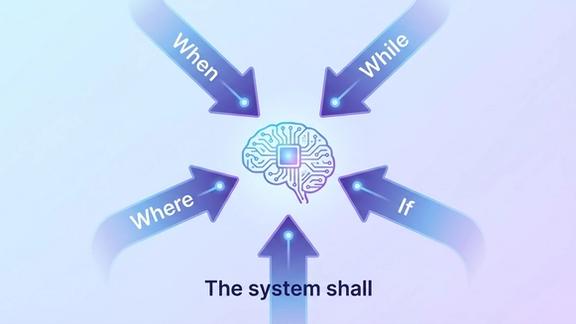
EARS (Easy Approach to Requirements Syntax) provides five simple patterns that turn vague, natural-language requirements into precise, testable specifications that AI and humans can reliably implement.
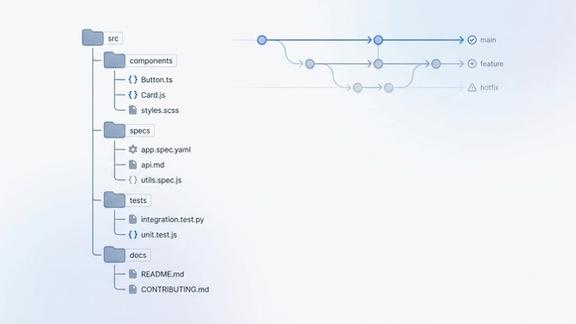
A practical guide to structuring spec files in your repository, maintaining a spec index, naming conventions, and integrating specs into your Git workflow—including how to use specs effectively with AI coding tools.
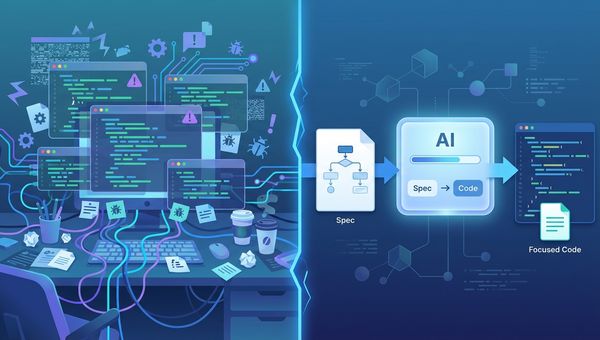
Spec-first AI coding replaces vague prompts and chaotic code generation with a simple workflow: clarify requirements, write a spec, then let the AI implement exactly what you approved.
Spec-Driven Development (SDD) makes structured specifications the single source of truth for your software projects, preventing scope creep, misalignment, and rework—especially in AI-assisted development.
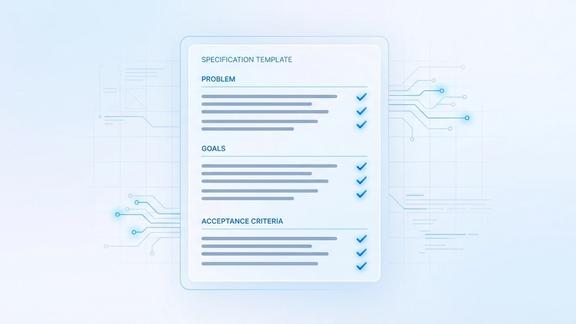
A practical, battle-tested template for writing clear, concise specs, plus a worked example for adding user search to a product.
How to scale Spec-Driven Development across multiple teams, repos, and products using interface specs, explicit dependencies, lightweight review, and clear metrics.
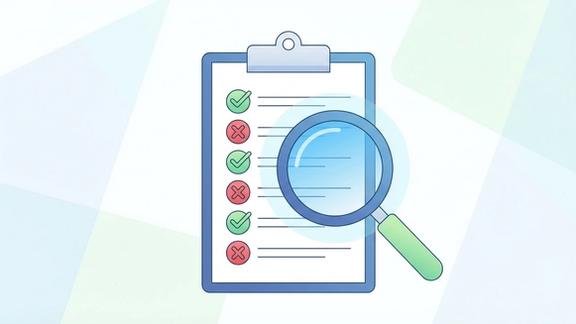
Turn your specs from static documentation into enforceable contracts by building verification into your workflow: from manual checklists to automated test mapping and browser-based verification, plus continuous alignment practices.
A practical workflow for turning an approved spec into a clean, testable implementation—from breaking down acceptance criteria into tasks to structuring your final PR, with AI as a guardrail-driven assistant.
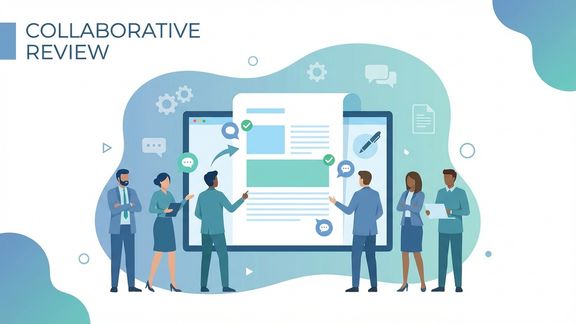
Spec reviews catch design bugs before implementation starts. Learn why they matter, who should be involved, and how to run them efficiently.