Acceptance Criteria That Actually Work: The Spec's Secret Weapon
How to write observable, unambiguous, complete, and independent acceptance criteria that translate directly into automated tests and AI-executable contracts.
A chronological collection of insights on technical specification, product strategy, and AI-driven documentation.
How to write observable, unambiguous, complete, and independent acceptance criteria that translate directly into automated tests and AI-executable contracts.
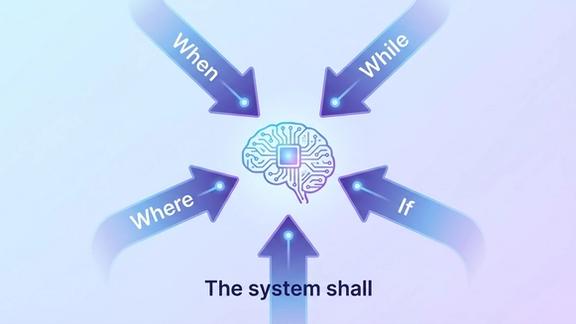
EARS (Easy Approach to Requirements Syntax) provides five simple patterns that turn vague, natural-language requirements into precise, testable specifications that AI and humans can reliably implement.
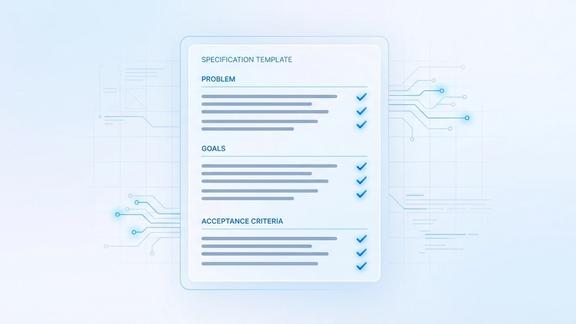
A practical, battle-tested template for writing clear, concise specs, plus a worked example for adding user search to a product.
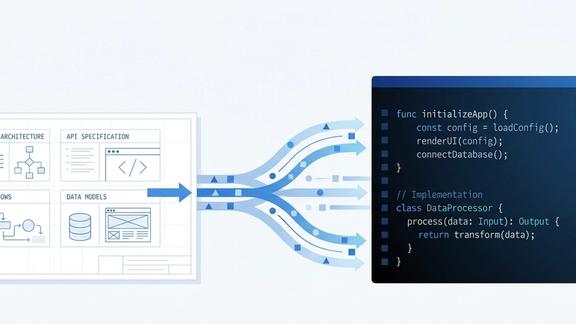
Spec-Driven Development (SDD) makes structured specifications the single source of truth for your software projects, preventing scope creep, misalignment, and rework—especially in AI-assisted development.
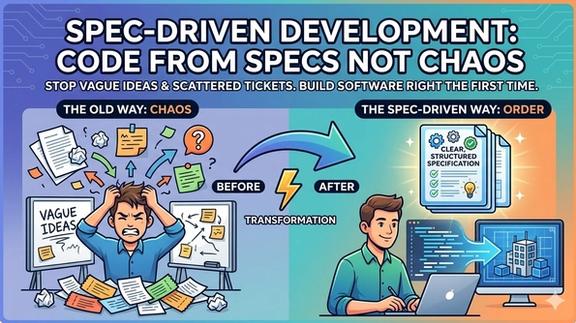
Spec-Driven Development is an approach where software implementation starts from a clear, structured specification rather than vague ideas, scattered tickets, or incomplete conversations.
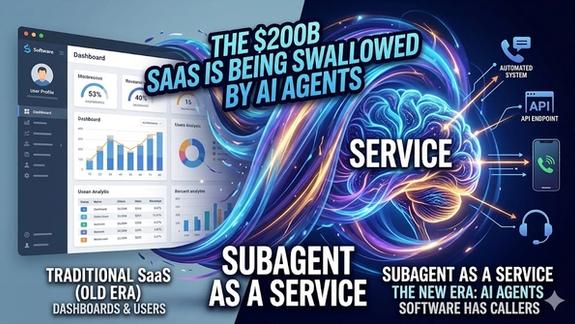
The real shift isn't adding AI to software. It's software becoming AI. Nivedit Jain calls this SaaaS: Subagent as a Service.
OpenAI released GPT-5.4 mini and nano models, representing a strategic shift toward hierarchical AI architectures where large models orchestrate work delegated to smaller, faster alternatives.
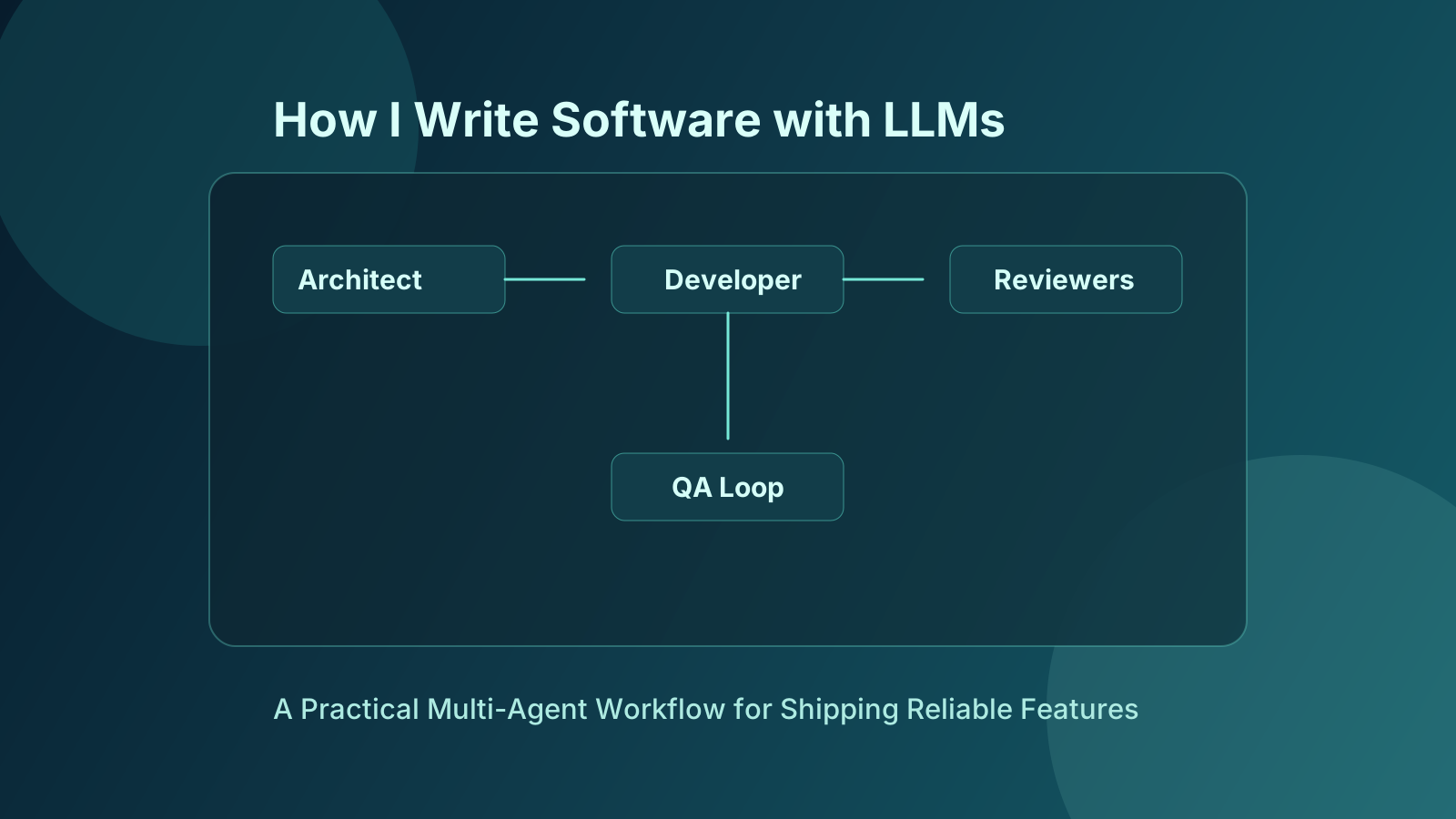
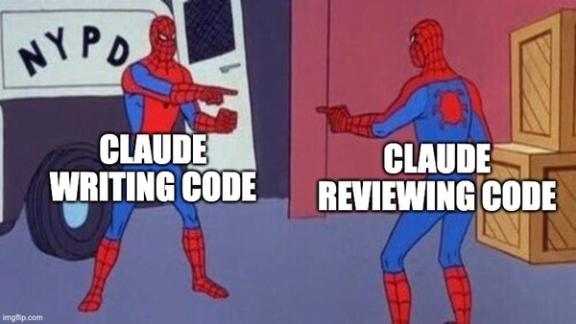
A three-role system for AI-assisted software development: an architect who designs, a developer who implements, and independent reviewers who critique.
As AI generation speeds increase, verification becomes the strongest assurance layer. The bottleneck shifts from writing code to defining correctness requirements.
Without a verification layer, overnight coding creates morning cleanup. With a verification layer, it can create morning momentum.